

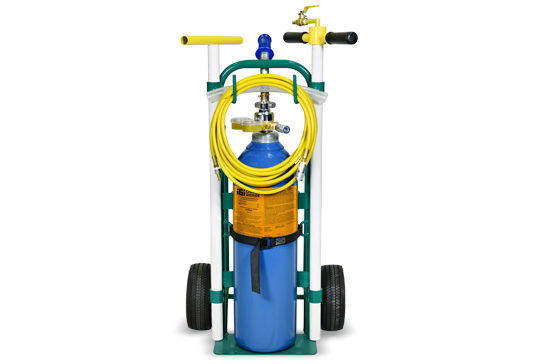
IGI CO2 Powered by Liphatech
IGI CO2 Powered by Liphatech is an alternative rodent control tool in the PMP’s arsenal of products. It is registered by the EPA.
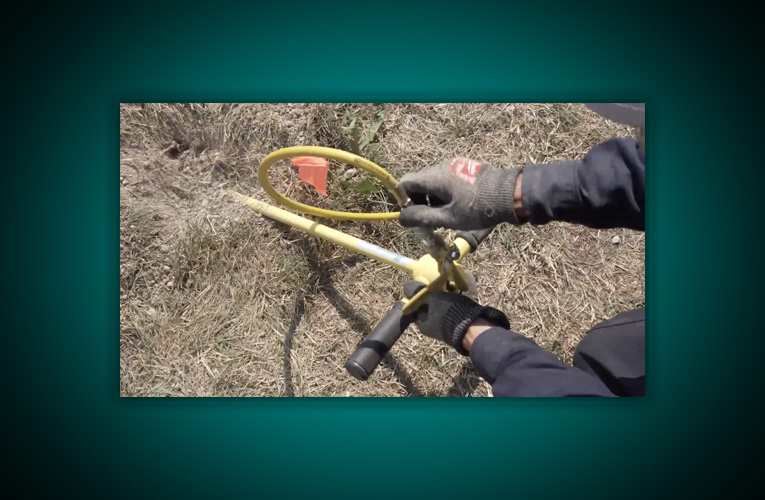
NEW IGI CO2 Informational Videos
Get a comprehensive understanding of IGI CO2 Powered by Liphatech and the labeled burrowing rodent control application processes. In these new videos you'll be introduced to all of the equipment as well as shown the set up, site inspection, burrow preparation, application and post-application inspection processes of the IGI CO2 Powered by Liphatech system.
WATCH NOW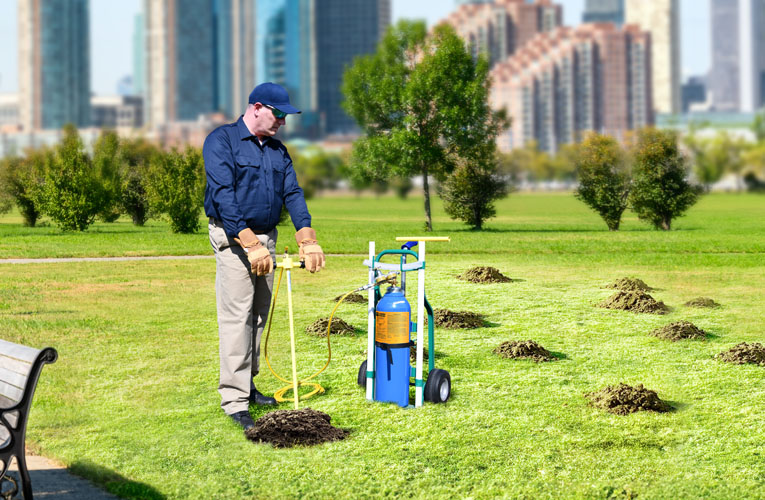
How is IGI CO2 Different?
IGI CO2 is different because it functions only when it is released in a confined space such as in burrowing rodent tunnel structures, where pests succumb to asphyxiation. Primary benefits of IGI CO2 include:
- Approved for use in municipal, residential, commercial and field settings.
- Can be used next to occupied buildings.
- CO2 gas is non-flammable, invisible and odorless.
- Quiet application.
- Certified for use in pest management programs under the USDA National Organic Program.
Where Can I Use IGI CO2?
IGI CO2 is approved for outdoor use only in field settings and in grounds and landscaping around municipal, residential and commercial buildings.

What Kinds of Pests Can I Control with IGI CO2?
This product is used to kill burrowing pests. Each pest has underground burrow or tunnel systems that are different.
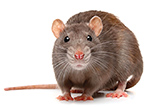
Norway Rats
Makes a network of interconnecting tunnels 2 to 3 inches across, up to 1.5 feet deep and 6 feet long. Such a network contains one or more chambers for nesting and feeding, one or more main entrances, and several escape exits.
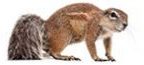
Ground Squirrels
Several animals may occupy one burrow, which typically is 3 to 6 inches wide and 5 to 200 feet long. Burrows are generally under logs, trees or rocks when available, otherwise are out in the open with a mound at the main entrance.
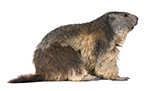
Groundhogs
Groundhogs are diggers. They excavate tunnels and burrows underground, in which they live and raise young. The tunnel may have up to five entrances and 50 feet of total tunnel distance, including living and hibernation dens.
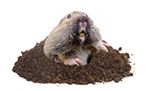
Pocket Gophers
Makes two kinds of burrows; those near the surface for food gathering and deeper ones for storage and shelter. The passages slant toward the ground surface. Excess soil is pushed out of a passage where it creates a mound. The passage is then plugged from below.
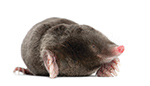
Moles
Tunnels are two types: subsurface, which appear as ridges; and deep, which are generally marked by cone shaped molehills usually 6 to 8 inches in height. Can travel through porous soil at 1 foot per minute.
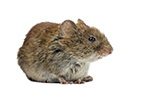
Voles
Construct many tunnels and surface runways with numerous burrow entrances. Vole nests are globular structures of dry grass about 6 to 8 inches in diameter and may contain several adults and young. Pine voles remain entirely underground, building extensive tunnel systems and pushing conical piles of soil to the surface.
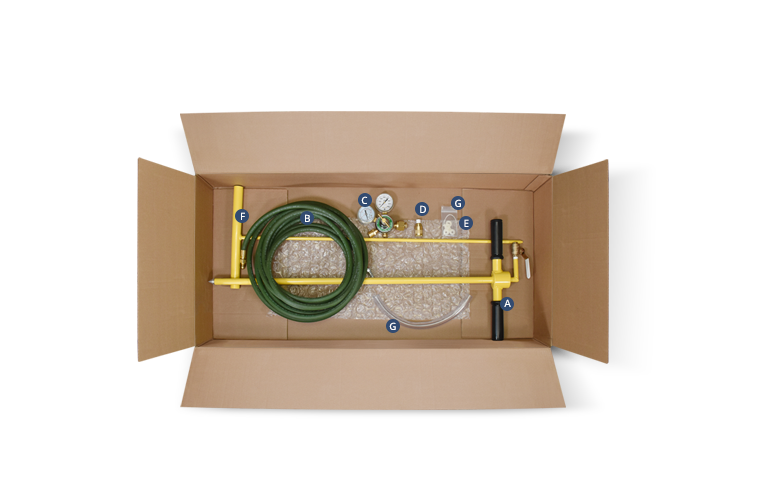
What is the Eliminator?
IGI CO2 must be used with the Eliminator.

The Eliminator™ Injection Device or The Eliminator Mini

25' Gas Hose

Pressure Regulator and Gauge Assembly

Quick Connect Fitting

5 Spare Pressure Regulator and Gauge Assembly CO2 Cylinder Valve Gaskets

Soil Piercing Probe

16" Flexible Extension Tube and 2 Cable Ties